How to choose career In Esports
Choosing a career in esports can be exciting, but it’s not as simple as “just playing games.” The industry is competitive, fast-changing, and offers many different paths beyond being a pro player. Understanding your strengths, interests, and realistic opportunities is key to making the right choice.
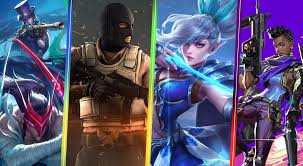
First, you need to decide which role in esports suits you best. The most popular option is becoming a professional player in games like Valorant, Counter-Strike: Global Offensive, or Free Fire. However, this path requires exceptional skill, consistency, and dedication. You’ll need to practice for several hours daily, compete in tournaments, and climb leaderboards. Only a small percentage of players reach the top, so you must honestly assess your skill level and commitment.
If playing professionally isn’t the right fit, there are many other career options. You can become a content creator or streamer, building an audience on platforms like YouTube by sharing gameplay, tutorials, or entertainment. This path depends more on creativity, personality, and consistency than pure gaming skill. Many successful esports personalities earn through ads, sponsorships, and fan support.
Another option is working behind the scenes. Esports needs coaches, analysts, and team managers. If you enjoy strategy and understanding gameplay deeply, coaching could be a great fit. Analysts study opponents, review gameplay, and help teams improve. These roles require strong game knowledge and communication skills.
You can also explore careers in broadcasting and media, such as shoutcasting (commentary), hosting, or video editing. Esports tournaments rely heavily on production quality, so skilled editors, designers, and commentators are always in demand. If you’re comfortable speaking and explaining gameplay, casting can be a rewarding career.
Education and skills matter more than people think. While esports doesn’t always require formal degrees, skills like communication, marketing, video editing, or management can give you a big advantage. Some universities even offer esports-related programs, but practical experience—like running a small YouTube channel or participating in local tournaments—is often more valuable.
Networking is another crucial factor. Join online communities, participate in tournaments, connect with players, and engage on social media. Many opportunities in esports come through connections rather than traditional job applications.
It’s also important to be realistic about income and stability. Unlike traditional careers, esports can be unpredictable. Earnings may fluctuate, especially in the early stages. Having a backup plan or secondary skill is a smart move, particularly if you’re just starting out.
Finally, choose a game or field you genuinely enjoy. Whether it’s competing in Clash of Clans tournaments or creating content around your favorite title, passion will keep you motivated during tough times.
In conclusion, choosing a career in esports requires self-awareness, skill development, and patience. Explore different roles, build your strengths, and stay consistent. With the right approach, esports can offer exciting opportunities—but only if you treat it like a serious career, not just a hobby.