Role of sponsorships and Brands in esports
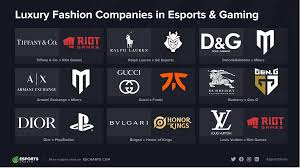
The role of sponsorships and brands in esports has become central to the growth, sustainability, and professionalism of the industry. As competitive gaming has evolved into a billion-dollar global ecosystem, brands now play a crucial role in funding tournaments, supporting teams, and shaping how esports reaches its audience.
At the foundation, sponsorships provide financial stability to the esports ecosystem. Unlike traditional sports with long-established revenue streams such as ticket sales and broadcasting rights, esports relies heavily on brand partnerships. Companies invest in tournaments, teams, and individual players, helping cover operational costs such as salaries, training facilities, travel, and production expenses. Major esports titles like Valorant, Counter-Strike: Global Offensive, and Free Fire have thriving competitive scenes largely supported by sponsorship funding.
Brands are involved at multiple levels of esports. One of the most visible forms is tournament sponsorship. Large-scale events often carry the names of sponsors and are funded by partnerships with technology companies, energy drink brands, telecom providers, and more. These sponsors enable high production quality, larger prize pools, and global broadcasts. Without such backing, many international tournaments would struggle to operate at their current scale.
Another key area is team sponsorships. Esports organizations partner with brands that appear on team jerseys, social media content, and live streams. For example, well-known organizations like Fnatic and Team Liquid collaborate with multiple sponsors ranging from gaming hardware companies to lifestyle brands. These partnerships provide consistent income streams for teams, allowing them to invest in better players, coaching staff, and infrastructure.
Individual players and content creators also benefit from personal sponsorships. Top players often sign endorsement deals with brands that align with their image and audience. These deals can include promoting gaming gear, apparel, or even non-gaming products. Streaming platforms like YouTube and Twitch amplify this impact, as players can directly promote brands to millions of followers during live broadcasts.
Sponsorships also play a major role in audience engagement and marketing innovation. Esports audiences are primarily young, tech-savvy, and digitally active, making them highly attractive to brands. Unlike traditional advertising, esports sponsorships often involve creative integrations such as in-stream ads, branded segments, giveaways, and interactive campaigns. This allows brands to connect with audiences in more authentic and engaging ways.
Another important contribution of brands is the professionalization of esports. With increased investment, esports organizations can operate more like traditional sports teams. This includes structured contracts, player welfare programs, performance analytics, and long-term planning. Sponsorship revenue enables stability, which is essential for building a sustainable ecosystem.
Additionally, brands help expand esports into mainstream culture. Collaborations between esports and non-endemic brands (those not directly related to gaming), such as fashion, automobile, and food companies, have broadened the industry’s reach. This has helped esports gain recognition beyond gaming communities and attract new audiences.
However, the growing influence of sponsorships also comes with challenges. One concern is over-commercialization. Excessive branding and advertising can sometimes affect the viewer experience, making broadcasts feel more like marketing platforms than competitive events. Balancing commercial interests with audience enjoyment is an ongoing challenge for organizers.
Another issue is dependency on sponsorship revenue. Since esports still lacks fully mature revenue models, heavy reliance on sponsors can create financial instability. If major sponsors withdraw, teams or tournaments may struggle to survive. This highlights the need for diversified income sources such as media rights, merchandise, and ticket sales.
There is also the challenge of brand alignment and authenticity. Esports audiences value authenticity, and poorly matched sponsorships can lead to backlash. For example, promoting unrelated or controversial products may harm a team’s or player’s reputation. Successful partnerships are those that feel natural and relevant to the gaming community.
In regions like India, sponsorships have played a critical role in the rapid rise of mobile esports. Games like Battlegrounds Mobile India have attracted partnerships from telecom companies, smartphone brands, and local businesses. This has accelerated the growth of tournaments and provided opportunities for emerging players.
Looking ahead, the role of sponsorships in esports is expected to evolve further. With advancements in technology, brands may explore immersive advertising through virtual reality, in-game branding, and personalized content. Data analytics will also allow sponsors to measure engagement more precisely, making partnerships more effective.
In conclusion, sponsorships and brands are the backbone of the esports industry. They provide essential funding, enhance production quality, support teams and players, and drive global growth. While challenges like over-dependence and commercialization exist, the continued collaboration between esports and brands will remain vital for the industry’s future. As esports continues to expand, sponsorships will not only sustain it but also shape how it develops in the years to come.